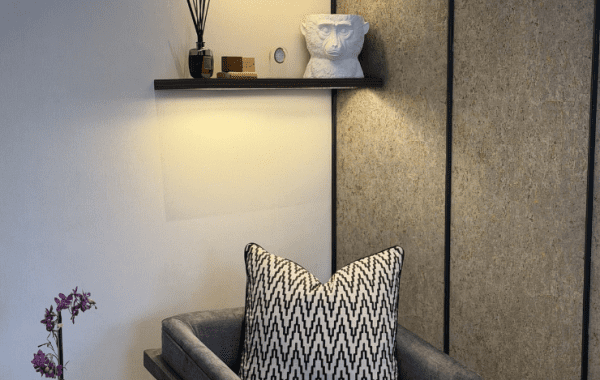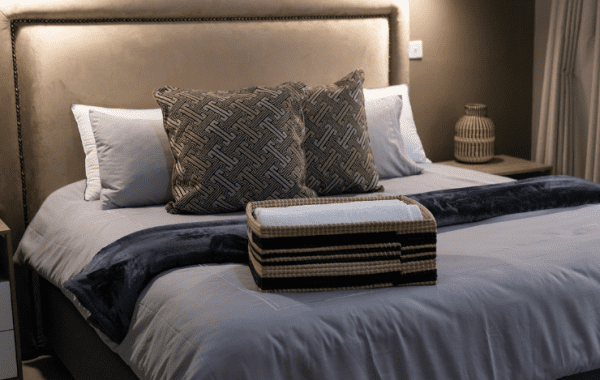

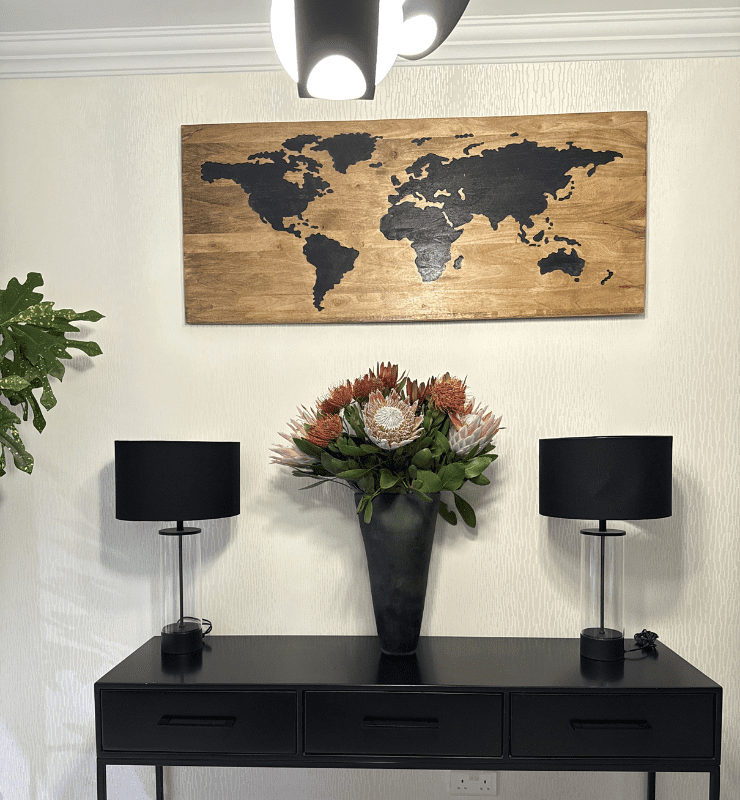

Most design conversations follow a predictable rhythm. First, the layout. Then, the furniture. Paint colours, fabrics, flooring. And somewhere near the end, almost as a footnote, someone will say, “and we’ll need good lighting.” A lamp here, a pendant there. Maybe a dimmer. The assumption is that light is a finishing detail, a sprinkle of atmosphere to apply once the real decisions are complete.
This thinking gets things exactly backwards. Light is not decoration. Light is architecture. It holds the power to reshape a room’s proportions, to change how materials read, and to dictate how a body feels inside a space at different times of day. A beautifully furnished room under dead, flat light will always feel cheap. A modest room under masterful light will feel extraordinary.
Natural light is where everything begins. Its path across a floor, its temperature at different hours, the way it hits a wall and washes it with warmth or coolness these are design materials as real as stone or timber. In every project, I study how sunlight enters and moves through a space before I think about a single piece of furniture. Which wall catches the morning? Which corner grows heavy in the afternoon? Where does the light die too early, and where does it stay long enough to create a lingering sense of ease?
The answers to these questions shape everything that follows. A reading chair that sits in the path of that gentle morning sun becomes a daily ritual. A dining table placed where the evening light pools turns dinner into something closer to theatre. A dark hallway that receives no natural light at all doesn’t get a brighter paint colour it gets architectural lighting treated like daylight, layered at different heights to mimic the way the sun would soften the space if it could reach there.
Artificial light deserves the same rigour. It needs layers, not just a single overhead fixture that flattens every surface. Task lighting that supports how a room is actually used. Ambient lighting that builds warmth and texture. Accent lighting that pulls focus toward a material, an object, an architectural detail worth noticing. When these layers work together, a room shifts naturally from morning to midnight without ever feeling harsh or neglected.
One of the most important lighting decisions I make in a master suite is dark. Deliberate darkness. A bedroom that never truly dims cannot offer rest. Light control through window placement, layered curtains, and the absence of glowing standby LEDs is as essential as the light itself. Sleep begins when the room knows how to fall quiet.
Design that treats light as an afterthought looks correct in photographs but disappoints in life. Design that treats light as architecture feels different. It feels alive. And that feeling is what transforms a beautifully arranged room into a space you never want to leave.